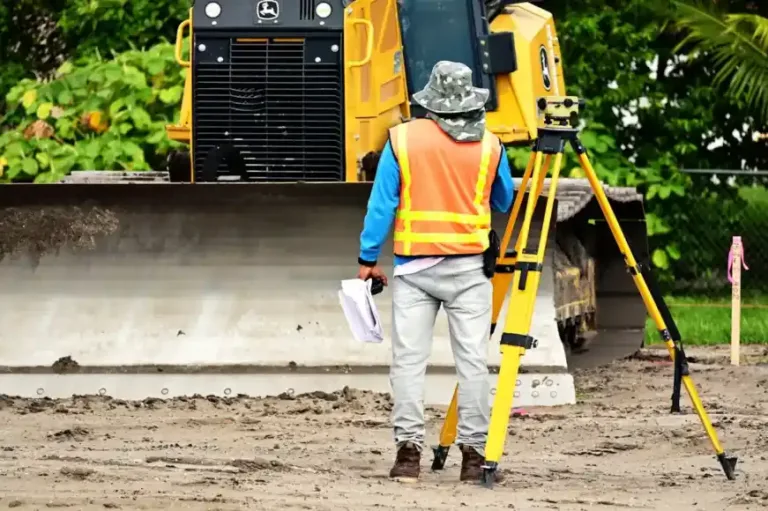
A Building Inspector checks whether construction work meets regulations, approved plans, and required safety and quality standards. In broad terms, a Building Inspector takes an idea, task, or package of work and turns it into something practical that a client, employer, or wider project can rely on. That is why the role matters more than the title sometimes suggests. Good people in this position help reduce confusion, improve standards, and keep a project moving for the right reasons rather than through last-minute scrambling.
The role protects people, property, and public confidence by making sure buildings are lawful, safe, and fit for use. A person in this job often has to balance more than one demand at once: quality and speed, detail and big-picture thinking, or individual judgement and teamwork. That balance is what makes the job appealing to some people and draining for others. You usually need enough confidence to make a call, enough humility to ask questions, and enough discipline to keep standards steady when the pace changes.
It suits people who are observant, confident in judgement, and comfortable balancing technical rules with real-world site conditions. People who move into the role from college, apprenticeships, site work, technical offices, or career changes often do well when they genuinely like the day-to-day reality of the job, not just the headline. If you want clear insight into what a Building Inspector actually does, what skills employers look for, and what the pay picture can look like in the UK, this guide breaks it down in a practical way.
What Does a Building Inspector Do?
A Building Inspector is there to help a construction project, asset, or work package function properly in the real world. That can mean design, coordination, inspection, delivery, physical trade work, or technical support depending on the job title, but the common thread is that the work has visible consequences. When it is done well, other people can move faster, the standard stays higher, and problems are easier to control before they spread.
In practice, employers hire a Building Inspector because they need somebody who can do more than understand theory. They need someone who can apply judgement in live conditions. A drawing changes, a client shifts priorities, the weather interferes, site access becomes awkward, or a deadline tightens. The role still has to hold together. That is why experience, habits, and reliability matter almost as much as headline qualifications.
The best people in this job usually become known for a blend of trust and usefulness. They notice the detail that matters, communicate clearly, and understand how their part of the project connects to business goals. Whether the setting is a small contractor, a major developer, a consultancy, or a public sector client team, the role works best when somebody can turn knowledge into dependable action.
Main Responsibilities of a Building Inspector
The exact list changes by employer and project type, but most people in a Building Inspector position are trusted with a core group of responsibilities that shape the quality and flow of the work.
- Reviewing plans and technical information before work begins.
- Carrying out site inspections at key stages of construction.
- Checking compliance with building regulations, fire safety requirements, and structural standards.
- Recording findings clearly and issuing reports or notices where needed.
- Speaking with contractors, designers, and owners about corrective actions.
- Monitoring whether defects, risks, or non-compliant details are resolved properly.
- Keeping inspection records organised for audit and legal purposes.
- Staying current with regulatory changes and good practice guidance.
When those responsibilities are handled well, the result is not just a tidier workday. It usually means lower rework, clearer decisions, better client confidence, and a stronger commercial outcome for the wider business.
A Day in the Life of a Building Inspector
A Building Inspector’s day often moves between paperwork and site visits. One part of the morning might be spent reviewing drawings, approval documents, or previous inspection notes. Later, you could be on site checking foundations, compartmentation, drainage, or completion-stage details.
The job calls for calm authority. You are not there to create drama, but you do need to raise concerns clearly when work is not right. That means knowing the regulations well enough to explain what is wrong, why it matters, and what needs to happen next.
There is also a public-interest side to the role. A good inspection process can prevent unsafe shortcuts, poor workmanship, or hidden issues from becoming bigger and more expensive problems later on.
Where Does a Building Inspector Work?
A Building Inspector can work in more settings than many people expect. Some jobs are tied to offices, design studios, or client teams; others are rooted in live sites and practical delivery. Quite a few move between both.
- Local authorities.
- Approved inspectors and private building control bodies.
- Housing and regeneration projects.
- Commercial developments.
- Refurbishment and conversion projects.
- Compliance and surveying teams.
Skills Needed to Become a Building Inspector
Hard Skills
Technical ability matters because employers need people who can contribute with confidence rather than constant hand-holding. The right hard skills help a Building Inspector work accurately, safely, and at a pace the team can trust.
- Regulation knowledge, because decisions need to be legally and technically sound.
- Inspection technique, because site checks must be systematic rather than casual.
- Report writing, because findings need to stand up clearly if challenged.
- Drawing interpretation, because site work must be measured against approved intent.
- Risk awareness, because safety and compliance issues are not always obvious at first glance.
- Evidence recording, because good records support consistent enforcement and advice.
Soft Skills
Behaviour and judgement matter just as much. Construction projects bring deadlines, changing information, and lots of different personalities. That is why strong soft skills often separate the steady performers from the ones who struggle.
- Judgement, because every site presents slightly different circumstances.
- Professional confidence, because difficult conversations are part of the role.
- Fairness, because consistency matters.
- Communication, because advice has to be understood to be useful.
- Integrity, because the work has a clear public-safety dimension.
Education, Training, and Qualifications
There is no single background shared by every building inspector, but employers do look for evidence that you understand the work, can learn quickly, and can handle the responsibilities attached to the role. For a wider look at UK entry routes, training paths, and adjacent careers, the National Careers Service career profiles are a useful reference point when comparing options.
- Building control or surveying qualifications.
- Experience in construction, inspection, or compliance roles.
- Technical knowledge from site management or design careers.
- Ongoing cpd linked to regulations.
- Transferable site knowledge with strong reporting ability.
In many cases, practical exposure counts for a lot. Even when a formal qualification helps, employers still want to know whether you can apply what you know in live project conditions.
How to Become a Building Inspector
There is more than one route into this job, but the most reliable path is usually a mix of training, exposure, and steady skill-building.
- Build a strong understanding of how buildings are designed and constructed.
- Study the regulations and approval processes relevant to building control work.
- Gain experience on live projects so your judgement is grounded in real conditions.
- Develop inspection and reporting habits that are clear, consistent, and defensible.
- Move into supervised inspection or surveying work and learn from senior reviewers.
- Keep your knowledge current, because regulation changes can alter what good practice looks like.
Building Inspector Salary and Job Outlook
The pay picture for a Building Inspector depends on experience, location, sector, employer size, and how much responsibility sits inside the role. Based on the current Jobs247 salary database, which tracks salary patterns seen across relevant vacancies published over the last 12 months, this title is currently appearing in a typical range of £35,500–£56,500, with an average working figure of about £46,000. That midpoint is not a guarantee of what one person will earn, but it does offer a grounded way to read the market without pretending every employer pays the same.
In real hiring conditions, pay often climbs when the work becomes harder to replace. Technical depth, live-project experience, specialist software, regulatory confidence, management responsibility, or a reputation for solving expensive problems can all lift earning potential. For people comparing this job with adjacent roles, the role breakdowns in Prospects job profiles can be a sensible starting point before you narrow things down by sector and seniority.
Job outlook is best read in practical terms. Employers keep hiring when the work behind the title stays necessary, and that usually depends on construction demand, maintenance needs, regulation, retrofit pressure, infrastructure investment, and replacement hiring as experienced workers move on. For a Building Inspector, the outlook is generally strongest when you keep your skills current, understand how the wider project works, and make yourself useful in the kinds of environments that are still spending money even when the market softens.
That means there is real value in staying adaptable. Someone who only knows one narrow corner of the job can still do well, but someone who understands adjacent tasks, communicates clearly, and keeps their standards high often has more room to move when employers become selective.
Building Inspector vs Similar Job Titles
Job titles in construction overlap quite a bit, which is why people often compare neighbouring roles before committing to a course, apprenticeship, or career move. The differences usually come down to what you spend most of the day doing and where accountability sits.
Building Inspector vs Clerk of Works
A Clerk of Works usually focuses more on workmanship quality and contract standards on behalf of a client, while a Building Inspector is primarily concerned with regulatory compliance and formal checks.
- Main focus: a clerk of works usually focuses more on workmanship quality and contract standards on behalf of a client.
- Level of responsibility: building inspector usually carries the responsibilities linked to its own specialist remit, while clerk of works places the emphasis elsewhere..
- Typical work style: a building inspector will usually spend more time on the decisions, tasks, and pressures specific to that title, whereas a clerk of works follows a different workflow..
- Best fit for: people who prefer the built-environment problems attached to being a building inspector, rather than the priorities that define a clerk of works..
For job seekers, the key is to choose the role whose daily reality matches how you actually like to work, not just which title sounds best on paper.
Building Inspector vs Building Surveyor
A building surveyor often works more broadly on condition, defects, maintenance, and property advice, whereas a Building Inspector is centred on regulation and inspection stages.
- Main focus: a building surveyor often works more broadly on condition.
- Level of responsibility: building inspector usually carries the responsibilities linked to its own specialist remit, while building surveyor places the emphasis elsewhere..
- Typical work style: a building inspector will usually spend more time on the decisions, tasks, and pressures specific to that title, whereas a building surveyor follows a different workflow..
- Best fit for: people who prefer the built-environment problems attached to being a building inspector, rather than the priorities that define a building surveyor..
For job seekers, the key is to choose the role whose daily reality matches how you actually like to work, not just which title sounds best on paper.
Building Inspector vs Site Manager
A site manager runs daily operations and delivery, while a Building Inspector remains independent from that management role and checks whether the work meets requirements.
- Main focus: a site manager runs daily operations and delivery.
- Level of responsibility: building inspector usually carries the responsibilities linked to its own specialist remit, while site manager places the emphasis elsewhere..
- Typical work style: a building inspector will usually spend more time on the decisions, tasks, and pressures specific to that title, whereas a site manager follows a different workflow..
- Best fit for: people who prefer the built-environment problems attached to being a building inspector, rather than the priorities that define a site manager..
For job seekers, the key is to choose the role whose daily reality matches how you actually like to work, not just which title sounds best on paper.
Is a Career as a Building Inspector Right for You?
- This role may suit you if you are comfortable applying rules without being rigid for the sake of it.
- This role may suit you if you like visiting sites and judging what you see.
- This role may suit you if you can explain technical concerns in plain English.
- This role may suit you if you value accountability and public safety.
- This role may not suit you if you dislike challenging poor work.
- This role may not suit you if you prefer creative design to compliance-based decisions.
- This role may not suit you if you struggle with detailed reports and record-keeping.
- This role may not suit you if you want a role with very little responsibility.
Final Thoughts
A career as a Building Inspector can be rewarding for the right person because the work has weight. Your judgement affects quality, progress, safety, cost, or the finished result in a direct way. That is often what keeps people interested in the role even when the days are busy.
The smart move is to judge the job by its routine, not only by its title. If the daily mix of responsibility, pace, environment, and skill-building fits you, a Building Inspector can become a strong long-term career path with room to specialise, earn more, or step into broader responsibility later on.
Frequently Asked Questions about the Building Inspector
Frequently Asked Questions
What does a Building Inspector do every day?
This role usually involves a mix of core technical or practical tasks, communication, and problem-solving across the working day. The details change by employer and project, but the aim is always to keep work moving to the right standard. Most employers value people who can stay useful without constant supervision.
What skills does a Building Inspector need?
A Building Inspector needs a mix of technical ability and dependable soft skills. Employers usually want someone who can work accurately, communicate clearly, and stay useful when conditions change. The exact balance depends on how technical, site-based, or management-heavy the role is.
How do you become a Building Inspector?
Most people become a Building Inspector through a mix of training, practical exposure, and steady progression. That could mean college, an apprenticeship, site experience, a degree, or moving across from a related construction role. What matters most is proving you can handle the real work, not just talk about it.
Is Building Inspector a good career?
Yes, Building Inspector can be a good career for people who genuinely enjoy the work attached to it. It offers useful skills, clear progression routes, and a practical link to the wider construction market. The best fit depends on whether you like the environment, pace, and type of responsibility involved.
What is the difference between a Building Inspector and an SEO Specialist?
Building Inspector is rooted in construction delivery and the built environment, while an SEO Specialist focuses on search visibility, website traffic, and digital content performance. They use different tools, work toward different outcomes, and usually sit in completely different teams.