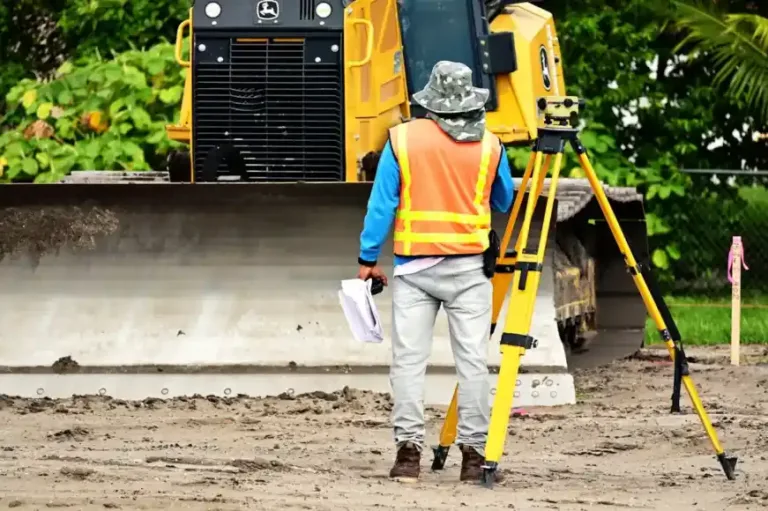
A Construction Laborer supports the day-to-day running of a site by moving materials, preparing areas, assisting trades, and keeping work flowing safely. In broad terms, a Construction Laborer takes an idea, task, or package of work and turns it into something practical that a client, employer, or wider project can rely on. That is why the role matters more than the title sometimes suggests. Good people in this position help reduce confusion, improve standards, and keep a project moving for the right reasons rather than through last-minute scrambling.
Without dependable labour support, skilled trades lose time, sites become harder to manage, and productivity drops fast. A person in this job often has to balance more than one demand at once: quality and speed, detail and big-picture thinking, or individual judgement and teamwork. That balance is what makes the job appealing to some people and draining for others. You usually need enough confidence to make a call, enough humility to ask questions, and enough discipline to keep standards steady when the pace changes.
It suits people who want a practical route into construction, are comfortable with physical work, and are willing to learn by doing. People who move into the role from college, apprenticeships, site work, technical offices, or career changes often do well when they genuinely like the day-to-day reality of the job, not just the headline. If you want clear insight into what a Construction Laborer actually does, what skills employers look for, and what the pay picture can look like in the UK, this guide breaks it down in a practical way.
What Does a Construction Laborer Do?
A Construction Laborer is there to help a construction project, asset, or work package function properly in the real world. That can mean design, coordination, inspection, delivery, physical trade work, or technical support depending on the job title, but the common thread is that the work has visible consequences. When it is done well, other people can move faster, the standard stays higher, and problems are easier to control before they spread.
In practice, employers hire a Construction Laborer because they need somebody who can do more than understand theory. They need someone who can apply judgement in live conditions. A drawing changes, a client shifts priorities, the weather interferes, site access becomes awkward, or a deadline tightens. The role still has to hold together. That is why experience, habits, and reliability matter almost as much as headline qualifications.
The best people in this job usually become known for a blend of trust and usefulness. They notice the detail that matters, communicate clearly, and understand how their part of the project connects to business goals. Whether the setting is a small contractor, a major developer, a consultancy, or a public sector client team, the role works best when somebody can turn knowledge into dependable action.
Main Responsibilities of a Construction Laborer
The exact list changes by employer and project type, but most people in a Construction Laborer position are trusted with a core group of responsibilities that shape the quality and flow of the work.
- Loading, unloading, and moving materials around the site safely.
- Preparing work areas for trades, deliveries, and plant use.
- Clearing waste, keeping routes tidy, and supporting site housekeeping.
- Assisting tradespeople with tools, materials, and simple tasks under instruction.
- Helping with basic demolition, digging, lifting, and temporary protection work.
- Following site safety rules, briefings, and supervisor instructions.
- Using basic tools and equipment where trained to do so.
- Supporting general site progress so specialist workers can stay productive.
When those responsibilities are handled well, the result is not just a tidier workday. It usually means lower rework, clearer decisions, better client confidence, and a stronger commercial outcome for the wider business.
A Day in the Life of a Construction Laborer
A Construction Laborer’s day is active from the start. One hour you might be shifting materials, the next you are clearing a working area for a finishing trade or helping set up a delivery. The work changes with the project stage, the weather, and the needs of the site team.
This is one of the most direct ways into the construction industry. You see how sites really operate, how trades interact, and which skills are in demand. A lot of people begin here and later move into a trade, plant role, supervision, or logistics.
The work is physical, and you need good awareness. Sites can be noisy, busy, and fast-moving. People who do well in this role are alert, dependable, and willing to do the practical jobs that keep the place running properly.
Where Does a Construction Laborer Work?
A Construction Laborer can work in more settings than many people expect. Some jobs are tied to offices, design studios, or client teams; others are rooted in live sites and practical delivery. Quite a few move between both.
- Housebuilding sites.
- Commercial building projects.
- Civil engineering works.
- Refurbishment jobs.
- Demolition and enabling works.
- Small domestic builds and subcontractor teams.
Skills Needed to Become a Construction Laborer
Hard Skills
Technical ability matters because employers need people who can contribute with confidence rather than constant hand-holding. The right hard skills help a Construction Laborer work accurately, safely, and at a pace the team can trust.
- Manual handling, because the job often involves lifting and moving materials.
- Site safety awareness, because active construction environments carry real risks.
- Basic tool use, because support work often depends on simple practical tasks.
- Housekeeping discipline, because tidy sites are safer and more efficient.
- Awareness of trade sequencing, because timing affects who needs what and when.
- Adaptability across tasks, because the role changes with daily site priorities.
Soft Skills
Behaviour and judgement matter just as much. Construction projects bring deadlines, changing information, and lots of different personalities. That is why strong soft skills often separate the steady performers from the ones who struggle.
- Reliability, because supervisors need to trust you will turn up and get stuck in.
- Attitude, because willingness matters a lot in entry-level site work.
- Listening skills, because instructions need to be followed accurately.
- Stamina, because the work can be demanding.
- Team spirit, because the role is built around supporting others.
Education, Training, and Qualifications
There is no single background shared by every construction laborer, but employers do look for evidence that you understand the work, can learn quickly, and can handle the responsibilities attached to the role. For a wider look at UK entry routes, training paths, and adjacent careers, the National Careers Service career profiles are a useful reference point when comparing options.
- Entry-level site roles.
- Warehouse or logistics experience that transfers well.
- General labouring on domestic jobs.
- College construction courses.
- Practical outdoor work experience.
In many cases, practical exposure counts for a lot. Even when a formal qualification helps, employers still want to know whether you can apply what you know in live project conditions.
How to Become a Construction Laborer
There is more than one route into this job, but the most reliable path is usually a mix of training, exposure, and steady skill-building.
- Get your basic site safety card and learn the core rules for working safely.
- Start on site in a labouring role and build a reputation for being dependable.
- Watch how different trades work and decide which direction interests you most.
- Ask for wider responsibilities once you show you can be trusted.
- Pick up tickets, training, or trade exposure that improve your options.
- Use the role as a stepping stone if you want to move into a skilled trade or supervision.
Construction Laborer Salary and Job Outlook
The pay picture for a Construction Laborer depends on experience, location, sector, employer size, and how much responsibility sits inside the role. Based on the current Jobs247 salary database, which tracks salary patterns seen across relevant vacancies published over the last 12 months, this title is currently appearing in a typical range of £24,000–£32,500, with an average working figure of about £28,250. That midpoint is not a guarantee of what one person will earn, but it does offer a grounded way to read the market without pretending every employer pays the same.
In real hiring conditions, pay often climbs when the work becomes harder to replace. Technical depth, live-project experience, specialist software, regulatory confidence, management responsibility, or a reputation for solving expensive problems can all lift earning potential. For people comparing this job with adjacent roles, the role breakdowns in Prospects job profiles can be a sensible starting point before you narrow things down by sector and seniority.
Job outlook is best read in practical terms. Employers keep hiring when the work behind the title stays necessary, and that usually depends on construction demand, maintenance needs, regulation, retrofit pressure, infrastructure investment, and replacement hiring as experienced workers move on. For a Construction Laborer, the outlook is generally strongest when you keep your skills current, understand how the wider project works, and make yourself useful in the kinds of environments that are still spending money even when the market softens.
That means there is real value in staying adaptable. Someone who only knows one narrow corner of the job can still do well, but someone who understands adjacent tasks, communicates clearly, and keeps their standards high often has more room to move when employers become selective.
Construction Laborer vs Similar Job Titles
Job titles in construction overlap quite a bit, which is why people often compare neighbouring roles before committing to a course, apprenticeship, or career move. The differences usually come down to what you spend most of the day doing and where accountability sits.
Construction Laborer vs Groundworker
A groundworker usually has a more defined trade focus on site preparation, drainage, and substructure work, while a Construction Laborer supports a broader range of site tasks.
- Main focus: a groundworker usually has a more defined trade focus on site preparation.
- Level of responsibility: construction laborer usually carries the responsibilities linked to its own specialist remit, while groundworker places the emphasis elsewhere..
- Typical work style: a construction laborer will usually spend more time on the decisions, tasks, and pressures specific to that title, whereas a groundworker follows a different workflow..
- Best fit for: people who prefer the built-environment problems attached to being a construction laborer, rather than the priorities that define a groundworker..
For job seekers, the key is to choose the role whose daily reality matches how you actually like to work, not just which title sounds best on paper.
Construction Laborer vs Carpenter
A carpenter carries a skilled trade and defined installation responsibilities, while a Construction Laborer is typically in a support role.
- Main focus: a carpenter carries a skilled trade and defined installation responsibilities.
- Level of responsibility: construction laborer usually carries the responsibilities linked to its own specialist remit, while carpenter places the emphasis elsewhere..
- Typical work style: a construction laborer will usually spend more time on the decisions, tasks, and pressures specific to that title, whereas a carpenter follows a different workflow..
- Best fit for: people who prefer the built-environment problems attached to being a construction laborer, rather than the priorities that define a carpenter..
For job seekers, the key is to choose the role whose daily reality matches how you actually like to work, not just which title sounds best on paper.
Construction Laborer vs Plant Operative
A plant operative specialises in machinery use, whereas a Construction Laborer is more likely to be carrying out general manual site support.
- Main focus: a plant operative specialises in machinery use.
- Level of responsibility: construction laborer usually carries the responsibilities linked to its own specialist remit, while plant operative places the emphasis elsewhere..
- Typical work style: a construction laborer will usually spend more time on the decisions, tasks, and pressures specific to that title, whereas a plant operative follows a different workflow..
- Best fit for: people who prefer the built-environment problems attached to being a construction laborer, rather than the priorities that define a plant operative..
For job seekers, the key is to choose the role whose daily reality matches how you actually like to work, not just which title sounds best on paper.
Is a Career as a Construction Laborer Right for You?
- This role may suit you if you want to get onto site quickly and learn from real work.
- This role may suit you if you are comfortable with physical tasks.
- This role may suit you if you are dependable and willing to help across the day.
- This role may suit you if you want a practical route into construction.
- This role may not suit you if you want a quiet indoor routine.
- This role may not suit you if you dislike manual work or outdoor conditions.
- This role may not suit you if you struggle with early starts and site discipline.
- This role may not suit you if you want rapid progression without putting in site time first.
Final Thoughts
A career as a Construction Laborer can be rewarding for the right person because the work has weight. Your judgement affects quality, progress, safety, cost, or the finished result in a direct way. That is often what keeps people interested in the role even when the days are busy.
The smart move is to judge the job by its routine, not only by its title. If the daily mix of responsibility, pace, environment, and skill-building fits you, a Construction Laborer can become a strong long-term career path with room to specialise, earn more, or step into broader responsibility later on.
Frequently Asked Questions about the Construction Laborer
Frequently Asked Questions
What does a Construction Laborer do every day?
This role usually involves a mix of core technical or practical tasks, communication, and problem-solving across the working day. The details change by employer and project, but the aim is always to keep work moving to the right standard. Most employers value people who can stay useful without constant supervision.
What skills does a Construction Laborer need?
A Construction Laborer needs a mix of technical ability and dependable soft skills. Employers usually want someone who can work accurately, communicate clearly, and stay useful when conditions change. The exact balance depends on how technical, site-based, or management-heavy the role is.
How do you become a Construction Laborer?
Most people become a Construction Laborer through a mix of training, practical exposure, and steady progression. That could mean college, an apprenticeship, site experience, a degree, or moving across from a related construction role. What matters most is proving you can handle the real work, not just talk about it.
Is Construction Laborer a good career?
Yes, Construction Laborer can be a good career for people who genuinely enjoy the work attached to it. It offers useful skills, clear progression routes, and a practical link to the wider construction market. The best fit depends on whether you like the environment, pace, and type of responsibility involved.
What is the difference between a Construction Laborer and an SEO Specialist?
Construction Laborer is rooted in construction delivery and the built environment, while an SEO Specialist focuses on search visibility, website traffic, and digital content performance. They use different tools, work toward different outcomes, and usually sit in completely different teams.