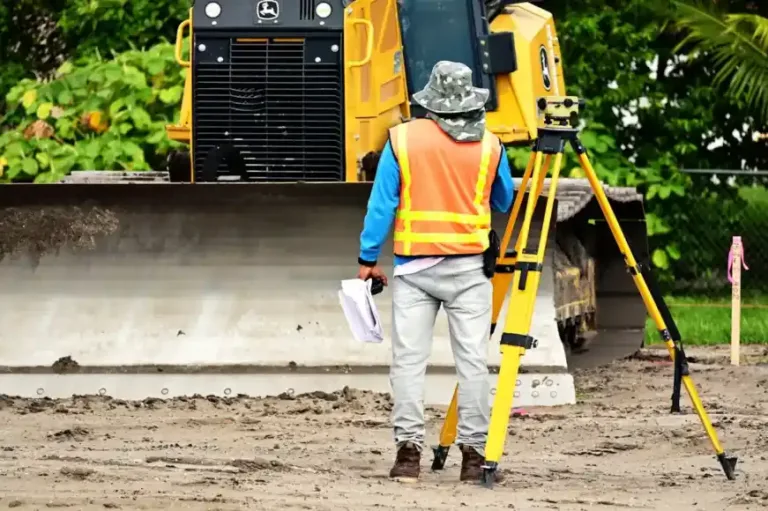
A Heavy Equipment Operator is one of those jobs that becomes obvious the moment it is missing. In real working life, the role is tied to site production, ground conditions, haulage flow and safe machine use, so the impact is felt every day rather than in theory. That makes it a strong option for people who like practical work, machinery, visibility on site and doing a job properly rather than talking around it.
A good heavy Equipment Operator does more than complete isolated tasks. The role connects judgement, timing and workmanship in a way that influences how smoothly a wider team performs. When that standard drops, delays, rework or frustrated clients tend to appear not long after.
For job seekers, students and career changers, this matters because the path into a heavy Equipment Operator is realistic if you are willing to learn the discipline behind the work. You do not need to arrive with everything already polished. You do need the mindset to improve, listen and keep your standards up on ordinary days, not only when somebody is watching.
What Does A Heavy Equipment Operator Do?
At its core, a Heavy Equipment Operator takes responsibility for the part of the work that depends on reading lift plans, dig plans and site instructions before moving any machine,. The exact mix changes by employer, project and seniority, though the central point stays the same: the role helps a team deliver work that holds up in the real world, not only in a specification. A capable heavy Equipment Operator combines know-how, good habits and the ability to adjust when the site or building does not behave exactly as expected.
The job often sits right in the middle of technical demands and practical reality. A Heavy Equipment Operator has to understand instructions, materials, timing and what good output actually looks like. That sounds straightforward when written down, but in day-to-day work it means making sensible decisions, keeping standards steady and not creating avoidable problems for the next person.
What separates a decent heavy Equipment Operator from a memorable one is consistency. Employers can train parts of the job. What they struggle to replace is somebody who works safely, communicates properly and leaves things in better shape than they found them.
Main Responsibilities of A Heavy Equipment Operator
The day-to-day responsibilities vary by employer and project type, but most heavy Equipment Operator jobs revolve around a fairly clear set of expectations. In practice, employers want someone who can own their part of the work without needing constant correction.
- Reading lift plans, dig plans and site instructions before moving any machine, so the work starts with the right method rather than guesswork.
- Operating excavators, dumpers, loaders or telehandlers within the limits of the machine, the ground and the day’s schedule.
- Checking blind spots, exclusion zones and pedestrian routes to reduce collisions, near misses and poor site habits.
- Carrying out daily inspections on tyres, tracks, fluids, attachments, alarms and safety devices before a shift gets going.
- Working with groundworkers, banksmen and supervisors so digging, loading and backfilling happen in the proper order.
- Keeping levels, lines and trench dimensions close to spec instead of leaving a messy fix for somebody else.
- Reporting faults early and taking damaged equipment out of use instead of trying to nurse it through the day.
- Managing fuel use, idle time and general machine care so costs and downtime stay under control.
When those responsibilities are carried out properly, the effect reaches beyond one person. Quality improves, waste drops, schedules hold up better and the wider business has fewer avoidable problems to absorb.
A Day in the Life of A Heavy Equipment Operator
A normal shift often begins with a walk-round inspection. The operator checks fluids, lights, attachments, warning systems and the condition of the ground. Before the first bucket goes in, there is usually a briefing on the sequence of work, live services, delivery times and who is controlling movement around the area.
Once work starts, the job is about rhythm and attention. A heavy equipment operator may be digging to line and depth in the morning, loading spoil after break, then helping shape formation level or move materials later on. Good operators stay calm, even when the site gets noisy and everybody wants something at once.
Communication is a bigger part of the day than outsiders expect. Operators regularly check in with slingers, banksmen, supervisors and labourers. A small misunderstanding can waste an hour, or worse. Clear signals, patience and a bit of discipline make the shift run far better.
The day also includes pauses for safety checks, refuelling and minor adjustments. If weather changes the ground conditions, the method may need to change as well. Strong operators do not treat that as a nuisance. They treat it as part of the craft.
By the end of the shift, the machine is parked safely, defects are logged and the area is left in workable condition for the next trade. That tidy finish matters more than people think.
Where Does A Heavy Equipment Operator Work?
Most heavy equipment operator roles sit within construction, civils and infrastructure, though the setting can vary a lot from one project to the next. Context shapes the work more than many newcomers expect, so it helps to know where the role commonly sits.
- Housebuilding sites where digging, grading and material movement must happen to a tight sequence.
- Road and highway projects that involve excavation, drainage, kerbing and reinstatement.
- Rail, utilities and infrastructure schemes where access, permits and safety rules are stricter.
- Quarries, recycling yards and industrial sites where loading and stockpile management are a daily routine.
- Groundworks contractors working across several sites in the same month rather than one long placement.
That range means a heavy Equipment Operator can build a career in one niche or move around until they find the sort of environment that suits their pace and personality best.
Skills Needed to Become A Heavy Equipment Operator
Hard Skills
Technical ability in this role is visible straight away. People can tell quickly whether the operator is in control of the machine and the work area.
- Machine operation: Knowing how to use each machine smoothly keeps production up and reduces wear, damage and unsafe movements.
- Site drawings and levels: Being able to follow dimensions, line and depth stops rework and helps the wider gang trust your output.
- Daily inspections and defect reporting: A machine in poor condition can shut a site down. Spotting issues early protects safety and schedule.
- Attachment control: Buckets, forks, breakers and grabs all change the way a machine behaves. Using the right attachment properly matters.
- Awareness of underground services: One careless dig near buried cables or pipes can turn into an emergency very fast.
Soft Skills
The best operators are not just steady with controls. They are dependable people on a live site.
- Concentration: Long stretches of repetitive work still need the same care on the last pass as the first.
- Communication: Signals, handovers and brief updates keep the crew moving in one direction.
- Patience: Ground conditions, plant movements and access changes can slow work. Staying composed helps the day recover.
- Judgement: A good operator knows when to stop, ask and reset rather than forcing a bad move.
- Professional pride: Sites remember operators who leave clean work behind them.
Education, Training, and Qualifications
There is no single route into this line of work. Plenty of operators come in through site labouring, apprenticeships or plant-specific training, then build experience machine by machine. People comparing formal entry routes often find it useful to browse the National Careers Service job profiles, especially when they want a sensible overview of training routes, entry expectations and related jobs in the UK.
- Plant operations training or cpcs/npors-style cards that show employers what machinery you are cleared to use.
- A construction or groundworks apprenticeship for people who want a structured way into the trade.
- Practical site experience as a labourer, banksman or groundworker before moving into machine operation.
- Short courses in lifting operations, health and safety, utilities awareness and traffic management.
- Transferable backgrounds from logistics, farming, warehousing or military transport where machinery discipline is already familiar.
No single qualification makes someone good at the role on its own. Employers still pay close attention to attitude, reliability and whether you can use your learning properly in a real setting.
How to Become A Heavy Equipment Operator
Breaking into the job usually happens in stages rather than one jump.
- Get your site basics in place, including health and safety awareness and the cards employers normally ask for.
- Choose one or two machine types to focus on first instead of trying to learn everything at once.
- Build hours on live sites and pay attention to groundwork quality, not just machine time.
- Ask for feedback from supervisors and experienced operators who will tell you the truth.
- Add further plant categories once your first machine work is solid and employers can rely on you.
The strongest route is usually the one that gives you both structured learning and enough real exposure to understand what the job feels like when deadlines, people and imperfect conditions are involved.
Heavy Equipment Operator Salary and Job Outlook
Earnings are shaped by the kind of projects you handle and the confidence employers have in your judgement.
Looking at the past year’s advertised-role trend in the Jobs247 salary database, the going range for a heavy Equipment Operator comes out at about £28,000 – £40,500, which places the average near £34,250. No single advert tells the whole story, yet it gives a grounded picture of the current market.
Pay can change according to:
- The machine categories you can legally and confidently operate.
- Whether you work on local sites, large infrastructure jobs or specialist civils packages.
- How well you handle levels, safety rules and communication rather than just basic operation.
- Overtime, nights and travel requirements on longer projects.
As for job outlook, Demand tends to stay healthy where housebuilding, infrastructure and utilities work remain active, because reliable operators are hard to replace with short notice. People who want a wider labour-market view can also check the Prospects job profiles directory, which is useful for comparing related roles, progression paths and the sort of employers typically hiring in this space.
Early-career salaries are usually lower than the top end because employers are paying for proof as much as potential. Once a heavy Equipment Operator can work with less supervision, handle trickier scenarios and keep standards consistent, the upper part of the range becomes more realistic.
Heavy Equipment Operator vs Similar Job Titles
No job title exists in isolation. A lot of people looking at a heavy Equipment Operator will also compare it with neighbouring roles that seem similar on paper but feel quite different in practice.
Heavy Equipment Operator vs Groundworker
The heavy equipment operator mainly handles plant and machine productivity, while the groundworker spends more time directly preparing trenches, drainage runs, kerbs and hand-finished site elements.
- Main focus: machine-led excavation and movement
- Level of responsibility: often focused on a defined plant role
- Typical work style: works in coordination with a gang from the cab and around plant
- Best fit for: someone who likes machinery and controlled repetitive precision
For somebody choosing between the two, the better option usually comes down to whether they prefer the day-to-day rhythm, technical emphasis and level of specialism involved.
Heavy Equipment Operator vs Plant Fitter
A plant fitter keeps the machinery working, whereas the heavy equipment operator uses that machinery to complete the site task. They overlap around equipment knowledge, but the purpose of the day is different.
- Main focus: maintenance and repair of plant
- Level of responsibility: technical support role around equipment reliability
- Typical work style: diagnostic, workshop or field-service led
- Best fit for: someone drawn to fixing plant rather than operating it
For somebody choosing between the two, the better option usually comes down to whether they prefer the day-to-day rhythm, technical emphasis and level of specialism involved.
Heavy Equipment Operator vs Site Supervisor
Site supervisors oversee people, sequence and short-term planning across the work area. The heavy equipment operator is closer to direct production and machine execution.
- Main focus: crew coordination and site progress
- Level of responsibility: broader responsibility across trades and safety
- Typical work style: walks the site and communicates across teams
- Best fit for: someone who wants wider control of site operations
For somebody choosing between the two, the better option usually comes down to whether they prefer the day-to-day rhythm, technical emphasis and level of specialism involved.
Is a Career as A Heavy Equipment Operator Right for You?
The honest answer depends on what kind of work gives you energy. Some people love the practical accountability of being a heavy Equipment Operator. Others would rather move toward a more office-heavy, purely technical or people-management route.
- This role may suit you if… you enjoy practical responsibility, can cope with routine plus occasional pressure, and prefer work where quality and effort show up clearly.
- This role may suit you if… you are willing to keep learning, accept feedback and take pride in doing the job properly even when nobody is handing out praise.
- This role may not suit you if… you dislike hands-on problem-solving, visible accountability or environments where standards have to be repeated day after day.
- This role may not suit you if… you want a job with very little variation, very little coordination or no pressure around timing, quality and reliability.
That said, plenty of people grow into the role. You do not need to fit some perfect mould from the start. What tends to matter most is whether you are teachable and whether you can build trust over time.
Final Thoughts
For people who want work with visible results, this is a role worth taking seriously. It rewards competence, sensible habits and the sort of steady professionalism employers remember.
For anyone considering this path, the clearest next step is simple: learn how the work is actually done, get as close to real projects or live environments as you can, and judge whether the rhythm of a heavy Equipment Operator feels right for you. If it does, there is every chance of building a solid career from there.
Frequently Asked Questions about the Heavy Equipment Operator
Frequently Asked Questions
What does a Heavy Equipment Operator do every day?
A Heavy Equipment Operator usually spends the day balancing routine tasks with whatever the job throws up unexpectedly. That can include checks, hands-on work, coordination and follow-up, depending on the setting. The strongest people in the role keep standards steady even when priorities change.
What skills does a Heavy Equipment Operator need?
The key skills are usually a mix of role-specific technical ability, sound judgement and good working habits. Being dependable matters nearly as much as knowing the tools, systems or documents involved.
How do you become a Heavy Equipment Operator?
A common route is to learn the basics, get some supervised practical experience and then build proof that you can do the job properly. Apprenticeships, college study and site or portfolio experience can all help, depending on the role.
Is Heavy Equipment Operator a good career?
Yes, it can be a good career for somebody who likes practical responsibility and steady skill-building. The role tends to suit people who prefer useful, visible work over vague job titles.
What is the difference between a Heavy Equipment Operator and an SEO Specialist?
The difference is mainly the field itself. A Heavy Equipment Operator works in a built-environment or property context, whereas an SEO Specialist works in digital marketing and online search strategy.